


-

Add: HeBei ShengShi HongBang Cellulose Technology CO.,LTD.
-

Email
13180486930@163.com -

CONTACT US
+86 13180486930
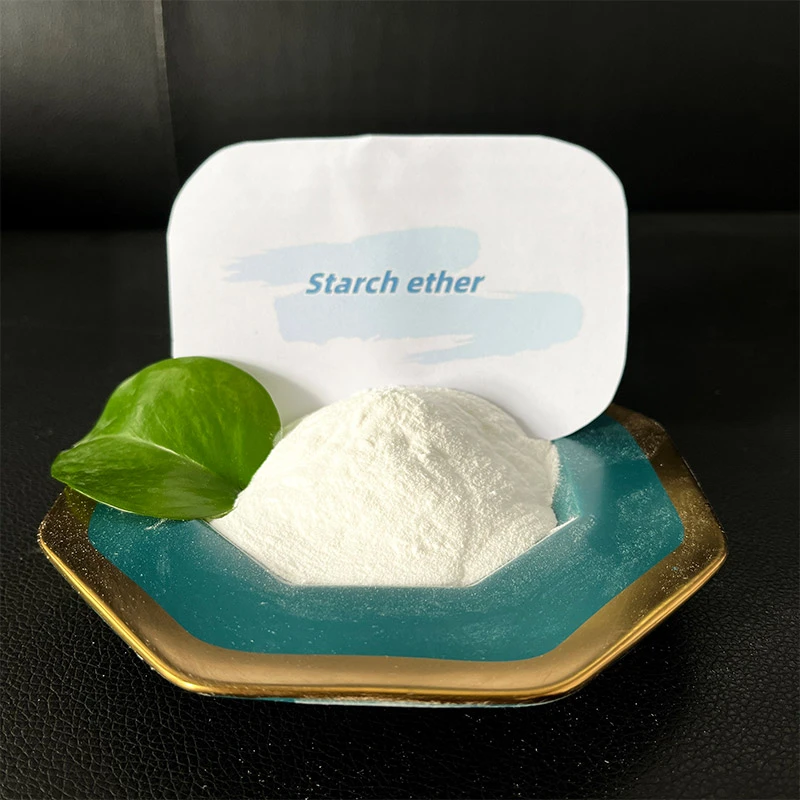
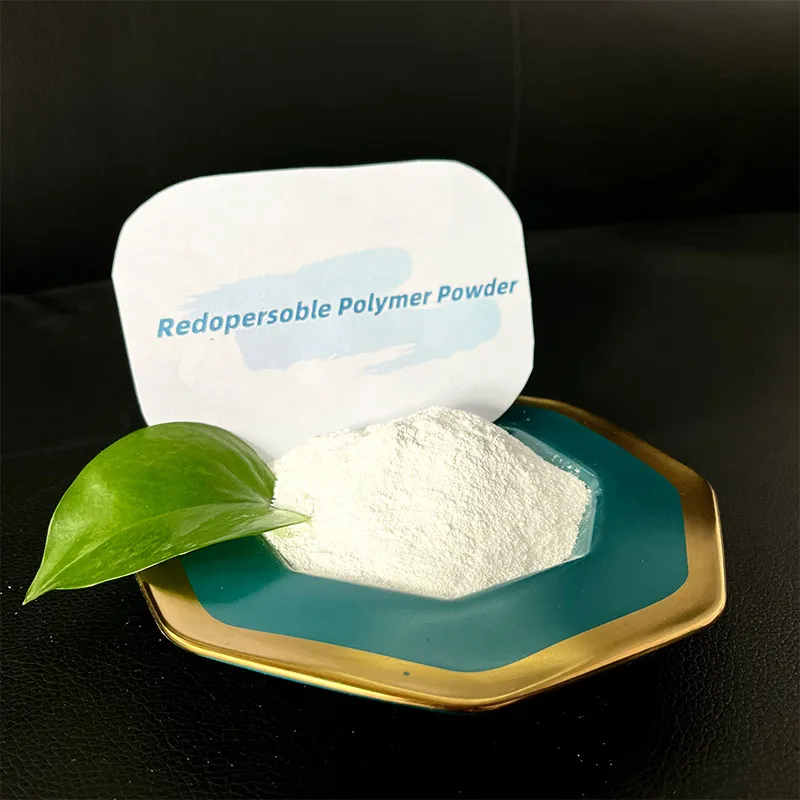
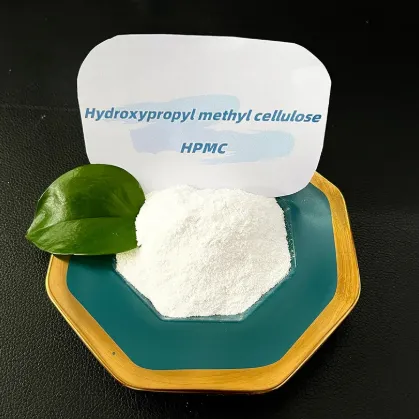
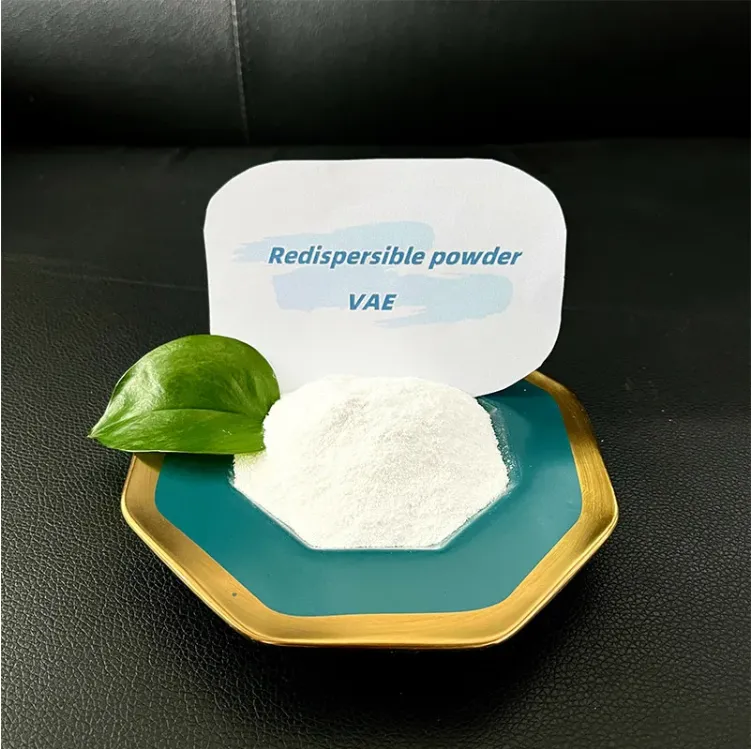


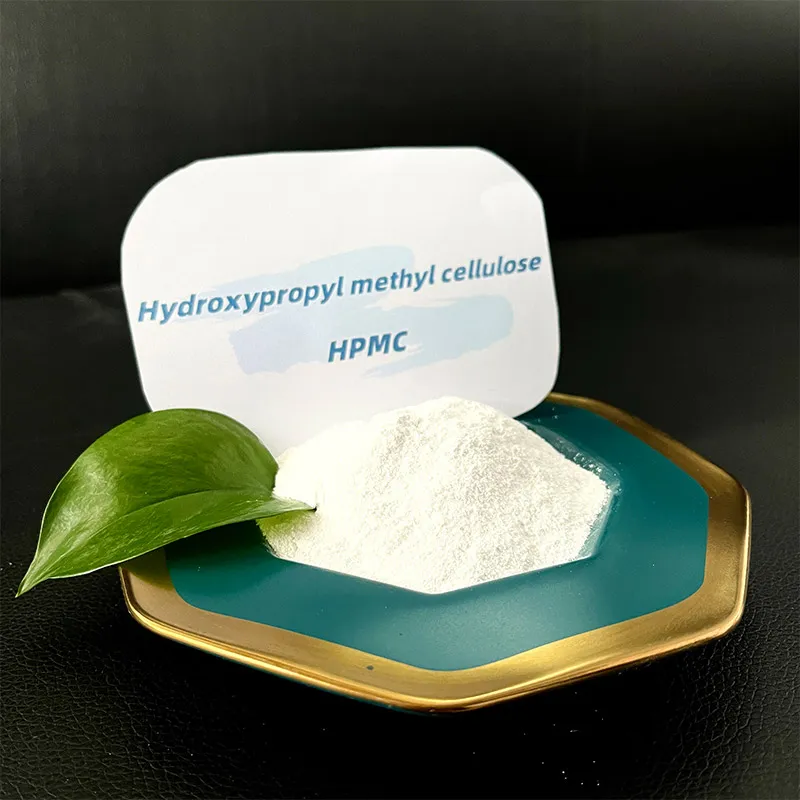
Exploring the Viscosity of HPMC A Unique Insight into its Applications and Benefits The world of additives and ingredients has been continually evolving, and among them, Hydroxypropyl Methylcellulose (HPMC) stands out due to its multifaceted applications and exceptional properties. One of its critical characteristics is viscosity, an essential factor determining its utility in various industries, from pharmaceuticals to construction. Understanding HPMC viscosity not only allows for better application but also ensures a superior product experience, reinforcing expertise, and establishing credibility in the market. Hydroxypropyl Methylcellulose, or HPMC, is a cellulose-derived polymer, known for its versatility and non-toxic nature. Viscosity, in the context of HPMC, refers to its resistance to flow, crucial in defining the product's performance. This characteristic can significantly influence how HPMC is used in different formulations, dictating everything from the texture of a product to its stability and efficacy. In the pharmaceutical industry, HPMC is a dependable asset due to its viscosity, which plays a pivotal role in drug delivery systems. For instance, its application as a controlled release agent hinges heavily on its viscosity properties. By adjusting the viscosity, manufacturers can tailor the release rate of active pharmaceutical ingredients, thus enhancing the therapeutic effect and improving patient compliance. Experts emphasize the precision required in calibrating HPMC viscosity to achieve desired drug-release profiles, showcasing professional expertise and technical know-how. Beyond pharmaceuticals, the viscosity of HPMC is also invaluable in the construction industry, particularly in the formulation of cement and tile adhesives. Here, the right viscosity ensures optimal water retention and workability. Construction experts often highlight the importance of selecting the appropriate viscosity level to ensure that cement mixes maintain their integrity and adhesion capabilities under various environmental conditions. This professional insight underlines the authoritative knowledge required to employ HPMC effectively in construction applications, contributing to the long-term durability of structures. hpmc viscosity The personal care industry similarly benefits from HPMC's viscosity . It acts as a thickening and gelling agent in creams and lotions, enabling the creation of products that deliver a luxurious feel and consistent performance. Savvy formulators understand that manipulating HPMC's viscosity can result in textures that enhance user experience, making the product both sensorially pleasing and functionally superior. This expertise is critical for brands aiming to establish trustworthiness with consumers who seek quality and reliability in personal care offerings. Trust in HPMC’s viscosity extends to its environmental friendliness and safety. Being biodegradable and derived from plant cellulose, it meets the increasing demand for sustainable ingredients, aligning with eco-friendly values. The trustworthiness that comes from using a product that is both effective and environmentally conscious cannot be overstated, especially in markets where consumer awareness around product sustainability is growing. Furthermore, scientific studies and historical usage reinforce the authority and trustworthiness of HPMC across industries. Research consistently demonstrates the stable performance of HPMC, with studies highlighting its low allergenic potential and adaptability in various formulations. This extensive documentation provides an authoritative backdrop, reassuring manufacturers and consumers alike of its efficacy and safety. For those entering the market or seeking to refine their product formulations, understanding HPMC viscosity is not merely an option but a necessity. Mastery of this attribute can lead to groundbreaking product innovations and improvements, securing a competitive edge in the industry. By consulting with chemists and industry experts, and referring to scientific literature, businesses can harness the full potential of HPMC, validating their commitment to quality and expertise. In conclusion, the viscosity of HPMC is more than just a physical property; it is a cornerstone of its application across diverse industries. With its ability to influence product performance and consumer satisfaction, HPMC stands as a testament to effective and trustworthy product formulation. Embracing its viscosity not only enhances product quality but also fortifies a brand's reputation as a leader in innovative and reliable solutions.
- 40000tons

Production
- 20+years

Experience
- 5000+㎡

Acreage

-
Hydroxypropyl starch phosphate is an increasingly popular ingredient in skincare products , and for good reason. This innovative compound combines natural starch with phosphate to enhance its functionality and benefit a myriad of skin types. Its rise in popularity is not just a fad; it's rooted in solid science and consumer experience. Derived primarily from natural sources like corn or potatoes, hydroxypropyl starch phosphate offers several advantages that align seamlessly with the needs of both consumers and formulators. Fundamentally, it serves as an exceptional texture enhancer in creams, lotions, and serums. Unlike traditional thickeners, it provides a silky-smooth finish that is often sought after in high-end skincare products. This means when applied, products feel luxurious and pampering, creating an indulgent experience that consumers love. In addition to texture enhancement, hydroxypropyl starch phosphate plays a crucial role in stabilizing emulsions, ensuring that oil and water components in skincare formulations do not separate over time. This stability is particularly important for multi-ingredient complex formulations, allowing active ingredients to remain evenly distributed, thus maximizing efficacy. Stability also translates to an extended shelf life, which is a significant consideration for both consumers and retail outlets. From a dermatological perspective, hydroxypropyl starch phosphate is non-irritating and safe for sensitive skin. Unlike some chemical thickeners and stabilizers, this starch derivative does not clog pores, making it an excellent choice for formulations targeted at acne-prone or reactive skin. Its ability to absorb excess oil without stripping the skin of essential moisture is another notable feature, making it suitable for oily skin types while maintaining a balance that is gentle enough for drier skin. Expertise in skincare formulation reveals that hydroxypropyl starch phosphate also aids in enhancing the delivery of active ingredients. Due to its molecular structure, it can help convey moisture deeper into the skin layers, optimizing the hydration properties of a product. This translates to improved performance of active ingredients, whether they are anti-aging, brightening, or soothing components. hydroxypropyl starch phosphate in skin care In the realm of experience, numerous skincare enthusiasts have praised products containing hydroxypropyl starch phosphate for their lightweight feel and non-greasy finish. These products tend to absorb quickly into the skin, leaving behind a velvety finish that preps the skin beautifully for makeup application or simply for a bare-skin glow. The real-life testimonials stand as a testament to the compound’s capabilities, further increasing its credibility among users who prioritize both efficacy and experience in their skincare regime. Authoritative research backs the safety and efficacy of hydroxypropyl starch phosphate, with numerous studies confirming its hypoallergenic properties and performance in enhancing skin feel and formulation stability. Regulatory bodies have approved its use globally, a mark of trust that allows consumers and formulators to incorporate this ingredient without reservation. The endorsement by dermatologists and skincare professionals further solidifies its standing in the industry, adding a layer of trustworthiness to its growing reputation. For a more sustainable approach to skincare, many conscious consumers will appreciate that hydroxypropyl starch phosphate is biodegradable. Derived from renewable resources, it aligns with the increasing demand for environmentally friendly beauty products. As the beauty industry progresses towards more sustainable practices, ingredients like hydroxypropyl starch phosphate not only meet the crucial functionality required by modern skincare but also support a sustainable future. Consumers keen on elevating their skincare routine should look for this innovative ingredient in their products. Brands that incorporate hydroxypropyl starch phosphate often showcase transparency and a commitment to quality, understanding the complex needs of today’s diverse skincare audience. As the understanding of this ingredient continues to evolve, more skincare products are expected to leverage its multifaceted benefits, making it a staple in high-performance skincare formulations. In conclusion, hydroxypropyl starch phosphate is more than just a functional ingredient; it is a bridge between efficacy and indulgence, expertly tailored for modern skincare needs. From improving product stability to enhancing the user experience, it represents a sophisticated advancement in the formulation of skincare products. With an impressive balance of credibility and innovation, this ingredient is set to remain an influential component in skincare regimens worldwide.
-
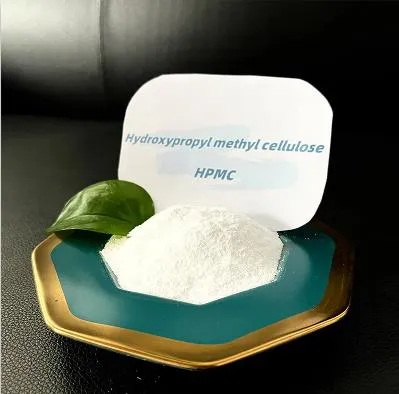
Unlocking the Potential of HPMC A Comprehensive Guide to Finding Quality HPMC for Sale Exploring the world of construction and pharmaceuticals often leads one to discover crucial compounds that serve as the backbone for many industry applications. Among these compounds, Hydroxypropyl Methylcellulose, or HPMC, stands out due to its versatile nature and beneficial properties. For businesses seeking to integrate HPMC into their processes, finding reliable sources of HPMC for sale is paramount . Hydroxypropyl Methylcellulose (HPMC) is a non-ionic, water-soluble cellulose ether, celebrated for its binding, thickening, and stabilizing abilities. This makes it an indispensable ingredient in construction materials, pharmaceuticals, personal care products, and even food. As demand grows across these sectors, there is an imperative need to secure high-quality HPMC from reputable suppliers. The construction industry extensively utilizes HPMC as a crucial component in cement-based materials, adhesives, and coatings. Its ability to enhance water retention, workability, and overall performance of construction materials makes it an essential additive. When searching for HPMC for sale in this sector, companies should look for suppliers that can verify the purity and grade specific to industry standards, ensuring optimal product performance. In pharmaceuticals, HPMC serves as an excipient in tablet formulations, utilized for its film-forming properties that assist in controlled drug release. Its non-toxic, hypoallergenic nature assures that it meets the rigorous demands of pharmaceutical manufacturers. Companies sourcing HPMC for this purpose must prioritize suppliers who provide certification of compliance with regulatory bodies such as the FDA or EMA. The skincare and personal care industries also harness the versatility of HPMC, employing it as a thickener and stabilizer in lotions, creams, and shampoos. For companies searching for HPMC for sale in personal care, attention should be given to suppliers offering cosmetic-grade HPMC, free from any contaminants that might affect skin sensitivity. hpmc for sale While the applications of HPMC are vast, navigating the market to find reputable suppliers can be challenging. One key strategy is to evaluate the expertise and experience of potential suppliers. Companies that specialize in cellulose ether production with decades of experience tend to offer products of higher consistency and reliability. Moreover, expertise in customizing HPMC formulations to meet specific industry needs can significantly enhance product value. To ensure authoritativeness and trustworthiness, businesses should seek providers with transparent sourcing and manufacturing processes. This includes thorough documentation of the product's origin, the technology used in its production, and the quality control measures in place. A supplier's adherence to international quality standards, such as ISO certifications, is a strong indicator of reliability. Facilitating partnerships with suppliers who offer technical support and product development consultation can further cement a company's standing in its respective industry. Suppliers with in-house experts who can guide the adaptation of HPMC into existing processes provide invaluable insights that optimize end-use applications, offering a competitive edge in the market. Moreover, leveraging digital platforms to read reviews and case studies from past clients can provide a clear view of a supplier's reputation. Positive testimonials and proven success stories contribute significantly to a supplier’s credibility, making them more attractive options for businesses. In packing and logistics, it is crucial to ensure that the HPMC is delivered under conditions that preserve its quality and integrity. Engaging suppliers who understand the nuances of logistics and who can guarantee timely delivery can be a defining factor in maintaining a seamless supply chain. Conclusively, businesses seeking to enhance their outputs through HPMC must conduct thorough due diligence in selecting suppliers. From construction to pharmaceuticals and personal care, finding quality HPMC for sale hinges on a supplier's ability to offer product excellence, proven expertise, and unwavering trustworthiness. When these elements align, companies not only enhance their products but also fortify their market position, showcasing a commitment to quality and innovation.
advantages
-

200000 Viscosities
Excellent product
We can produce pure products up to 200,000 viscosities
-

40000 tons
High yield
We don’t stop production all year round, and the annual output can reach 40,000 tons
-

24 hours
Quality service
We provide 24-hours online reception service, welcome to consult at any time
———— Inquiry Form
Schedule A services


-
 poudre_de_vae
Oct . 25, 2025
Redispersible polymer powder is an essential ingredient in many modern construction and manufacturin -
 retaine_hpmc_vs_mgd
Oct . 25, 2025
The Rise of Manufactured Synthetic Fibers Transforming the Textile Industry In today’s modern world, -
 polypropylene_fiber_suppliers
Oct . 25, 2025
The demand for high-quality rubber products has never been higher, driven by advancements in manufac


